Vendorius B2B finds the companies that can buy what you sell, writes to them by email, and books the appointment in your calendar. Matteo Merlo, founder, has sent millions of cold emails across dozens of sectors and countries.
Why do people come to us saying "I tried AI and it didn't work"?
Because AI is a tool, not an expert.
We hear it often from companies that run referral-based businesses and decide to try something new: "I told ChatGPT to write my emails. I built an agent that analyzes companies. I set up a bot that responds. Nobody replies."
The problem isn't the tool. It's that nobody told it what to do in a meaningful way. The AI was sending the wrong emails, to the wrong people, with the wrong message, in the wrong way. And it was doing it quickly, at scale.
If the strategy is wrong, AI sends even more wrong emails. Before, you worked a little and got it wrong. With AI, you work a lot and still get it wrong.
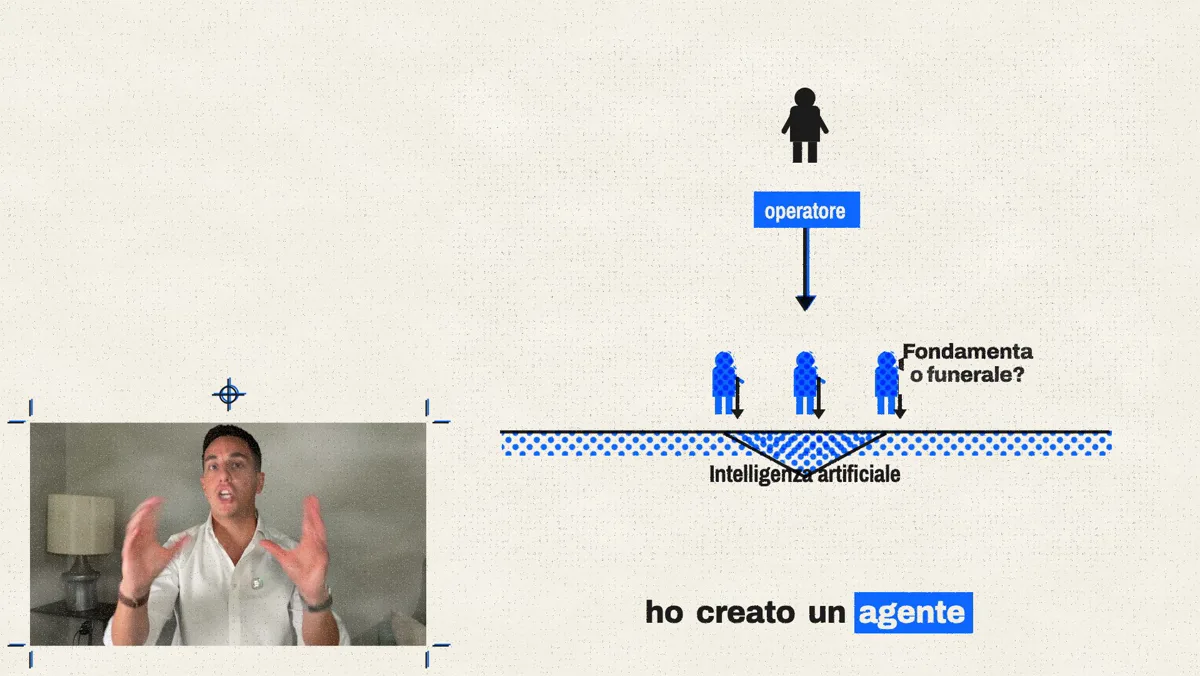
What's missing?
An acquisition strategy: knowing who to write to, why them right now, what to say that will make them respond, and how to handle the responses.
This part can't be automated with AI, at least not today. Not because AI can't execute steps, but because it doesn't have the market context that a professional who does this every day has.
We send tens of thousands of emails a month, across dozens of sectors and countries. We know what works in one sector and not another. We know when a company is ready to respond and when it isn't. That knowledge comes from experience, not from a model trained on generic data.
AI, on its own, doesn't have that knowledge. It makes you sufficient at something that requires expertise.
"AI makes you sufficient": what does that mean?
It means you can get an average, generic result without having learned the trade.
A business owner who knows nothing about marketing can ask ChatGPT to write a cold email. The result is an email that, at best, gets ignored. At worst, it's identified as AI-generated and flagged as spam.
In our field there are companies that send tens of thousands of emails a month with very advanced systems. Those emails don't look like they were written by AI, because they weren't: there's a sophisticated process behind them, built over years, with real data on what works.
Someone who arrives with an AI agent they built in two weeks is competing with that. It's not a fair fight.
What can AI do, and what can't it do?
AI automates well everything that is repeatable and where you can measure the error: sending emails at scale, tracking responses, personalizing a message based on a public data point, managing automatic follow-ups, selecting companies from a database based on precise criteria.
AI can't understand if a company is genuinely ready to buy right now, build trust in a conversation, decide which message will work for a specific sector, evaluate whether a response is real interest or just politeness.
These things require a human with experience. And in our case, that person exists: for every positive response that comes in, a real person calls immediately, with a real voice, and books the appointment. Not a bot, not an automated message: an actual phone call.
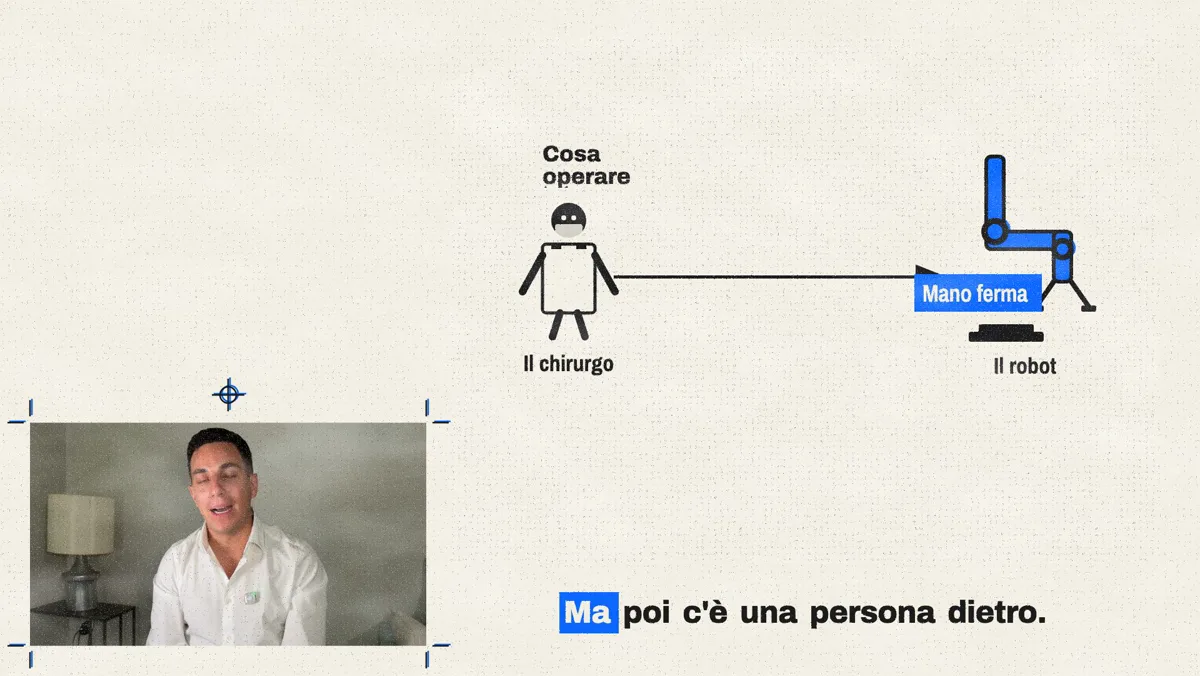
What to do if you've already tried using AI to find clients?
Before trying another tool, ask yourself whether you can answer these questions without help:
- Which companies should I contact, and why them specifically right now?
- What problem does my email solve, from the reader's perspective?
- If the company responds, who handles it and how quickly?
If you don't have a clear answer to any of these, adding AI to the process will make it faster but not more effective.
Strategy comes first. AI is the tool that executes it at scale.
